
Stacie’s story
06.26.26
Category: Survivor Voices
Type: Blog
06.26.26
Category: Survivor Voices
Type: Blog
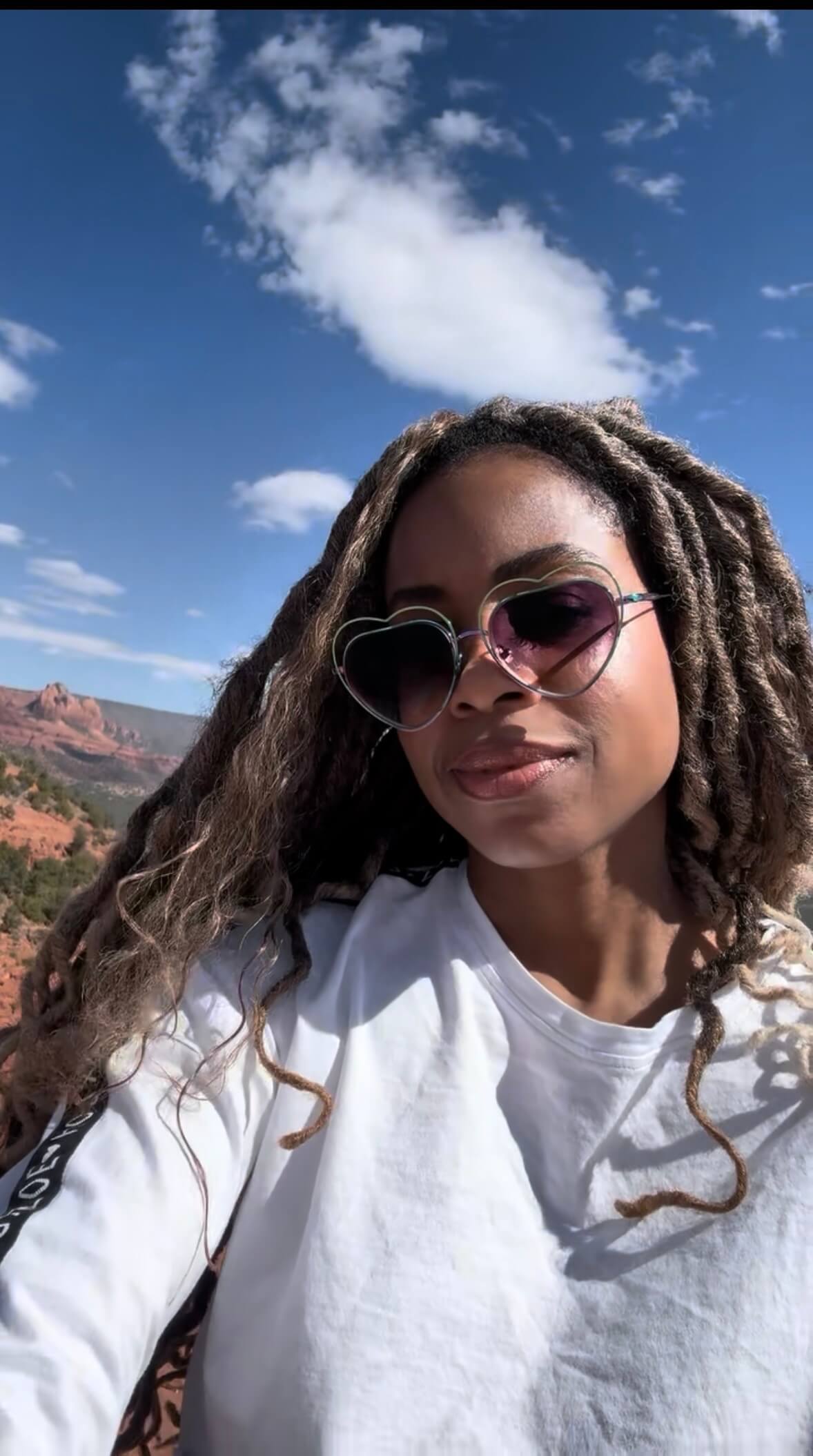 You do not get my silence: Survival and truth-telling
We often hear survivors describe a clear “before” and “after” when speaking about sexual violence. I struggle with that narrative because my life was never neatly divided in two.
I have survived medical trauma, grief, interpersonal violence, and intimate partner abuse. I spent years cycling between thriving, destruction, and rebuilding. Eventually, those accumulated into a diagnosis of Complex PTSD.
From the outside, my life looked exciting. I built a career as a Hair and Makeup Artist, traveled the country, worked in theater, film, television, and New York Fashion Week, and became an educator. Beneath those accomplishments, however, was someone constantly learning how to put herself back together.
Hope, therapy, introspection, and service to others became my tools. Shatter. Repair. Shine. Rinse and repeat.
In 2024, things felt different. I began practicing asceticism in an effort to deepen my relationship with God and become my highest self. I became celibate, minimized drinking and smoking, and found a sense of peace I had spent my entire life searching for.
By that time, I considered O a trusted confidante. We had briefly dated years earlier and had briefly been intimate in the past, but our relationship had become platonic. I spoke openly about my celibacy. Multiple times, I asked him if he respected my choices. He said he did, though he admitted it felt like punishment to him.
On September 27, 2024, O raped me in my home. I said no. I hid in my bathroom in an attempt to de-escalate the situation. I pushed his hands away. I covered my body with my arms when he groped me. I cried. I hyperventilated. Afterwards he laughed as I searched for my underwear and shorts.
In one night, the autonomy I fought for my entire life to possess was stripped away by someone I trusted completely.
I now know 67% of sexual abuse survivors have some prior history of sexual assault victimization. I didn’t know that at the time. At 38 years old, the violations I fought to overcome in the past were now flooding into a waking nightmare. Flashbacks arrived in waves. Not only of O, but of past experiences: police interviews, a clerical error that exposed my address to an abuser, being too afraid to undergo a SANE examination, being carried half-conscious into a shower from a pool of my own blood, and telling the Prosecutor who dropped that case that my blood was on his hands.
Despite the terror, there was also familiarity in it. I knew how to survive. I realized two things: I would survive this and I needed to stop O from assaulting another person. Silence is one of the greatest protections predators have. Our voices are our swords.
Healing and justice became intertwined. Through KCSARC, I connected with a legal advocate, a therapist specializing in sexual violence, and an attorney. Along with my small, dedicated support system, I moved forward.
Therapy helped me identify the “stuck points” that trauma had created in my thinking. Cognitive Processing Therapy, combined with my previous experience with EMDR, helped regulate my nervous system. Even my work as a barber became part of my healing, grounding me in everyday human connection.
The process of obtaining a protection order lasted six months. During this time, I was stalked, called a liar, had my past abuse disclosed to strangers, and had old intimate photos distributed as though past intimacy created permanent consent. I received threatening messages and pressure to disappear quietly.
A week before court, his attorney offered me a “settlement:” a one-year protection order outside of court, no compensation, and a promise of silence. I declined. I read his character witness letters from his exes — a 60-year-old therapist, a teacher, a personal care provider. This reveals that within our culture, even with allegations of sexual violence, some mandatory reporters are not exempt from the bias of siding with familiarity. Of attempting to silence the same survivors their professions require them to protect.
While I had hoped for a lifetime Sexual Assault Protection Order, the court granted five years.
During this I realized I have a talent — a tenacious, fiery pursuit of justice. For pursuing justice even when it’s scary, unpopular, or dangerous.
Sometimes things fall apart. Other times they fall into place. Some survivors break publicly. Some bury everything until the pressure becomes unbearable. Some disappear. Some return with bloody claws. I have been all of those people since there is no neat narrative arc of living through trauma.
Today, I find myself thinking less about punishment and more about accountability, healing, and community safety. What would happen if we focused not only on consequences, but on creating the conditions that prevent future harm?
When I think about what I truly wanted from those who hurt me, the answer is: honesty, accountability, repair, meaningful restitution, and a commitment to never harm another person again.
I am still discovering who I am after all of this. My faith has never been stronger. I tolerate no disrespect. I paint. I cook. I love. I remain vulnerable. I remain embodied.
Most importantly, I remain here.
–
KCSARC’s 24-hour Resource Line is available 24/7 with trained advocates ready to listen and provide free, confidential support and information to help you determine next steps. Whenever you’re ready, call 1.888.998.6423.
Every survivor’s healing journey and recovery is unique and personal. The thoughts and experiences shared by our Empowered Voices members are personal to the author and may not reflect the experiences or journey of every survivor. The views expressed are not intended to represent KCSARC’s organizational views.